What Boat Can I Afford? A Practical Guide to Setting Your Budget
Start with a comfortable monthly figure, then account for your deposit, finance costs and the day-to-day costs of owning a boat.
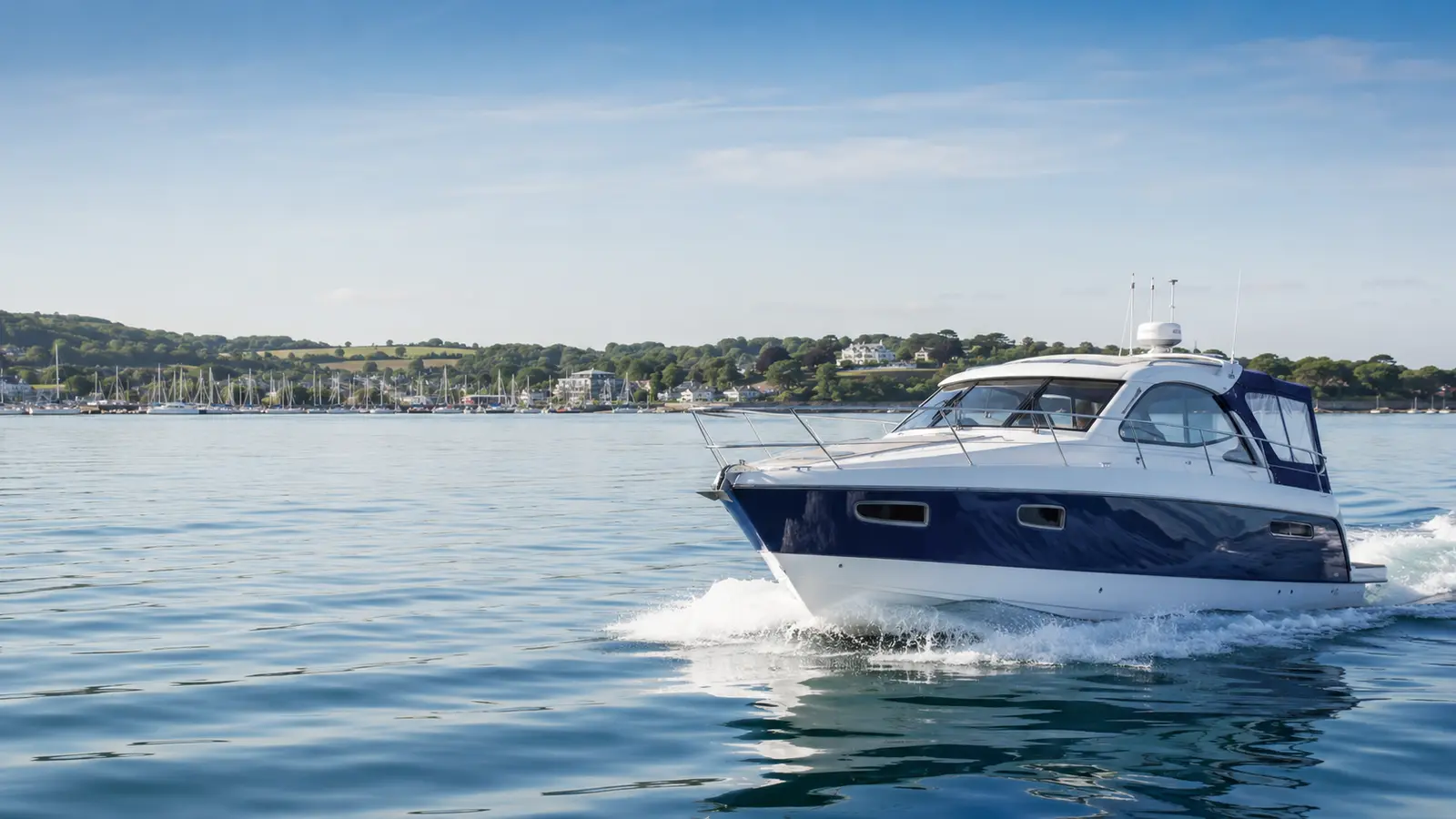
Buying a boat usually starts with an exciting question: what could I own? A more useful place to begin is: what could I comfortably afford each month?
Starting with a monthly budget makes it easier to explore realistic options without becoming attached to a boat that puts pressure on the rest of your finances. It also gives you a clearer way to compare boats at different prices, deposits and finance terms.
Here is how to set a boat budget that works both before and after the purchase.
Start with a comfortable monthly figure
Look at your regular income, essential spending, existing credit commitments and normal lifestyle costs. The amount left over is not automatically your boat budget. Leave room for savings, unexpected bills and changes in circumstances.
Your chosen repayment should feel manageable during an ordinary month, not only during a particularly good one. This matters because lenders are required to consider both credit risk and the risk that repayments may be unaffordable for the customer. The Financial Conduct Authority's creditworthiness rules explain this distinction.
When using Boats on Finance, you can enter the monthly amount that feels comfortable and the deposit you have available. The site will then show boats that may fall within that budget.
Decide how much you can put down
A larger deposit reduces the amount you need to borrow and can reduce the monthly repayment or overall cost of credit. However, using every penny of your savings as a deposit could leave you without a sensible emergency fund or money for the first costs of ownership.
Before committing your full deposit, allow for costs such as:
A marine survey and possible engine inspection
Insurance
Mooring, storage or launching fees
Safety equipment and any immediate upgrades
Transport or delivery
Initial maintenance and servicing
The right deposit is therefore not necessarily the largest amount available. It is the amount that helps make the finance manageable while leaving enough cash for the purchase and the first year of ownership.
Compare the total cost, not only the repayment
Monthly repayments are useful for setting a budget, but they do not tell the whole story. A longer term can reduce the monthly amount while increasing the total interest paid over the life of the agreement.
Check the representative APR, interest rate, term, total cost of credit and total amount payable. MoneyHelper explains that APR reflects the interest and relevant charges paid on borrowing over a year, making it a useful comparison point.
Your actual rate and terms will depend on your circumstances, the boat and the lender's assessment. Representative APR is not a promise that every approved customer will receive that exact rate.
Include the costs that begin after you buy
The purchase price is only one part of a boat budget. The RYA recommends considering ongoing costs such as insurance, maintenance, bills and mooring fees when buying a boat. Your own costs will depend heavily on the size, age and type of boat, where it is kept and how often it is used.
Create a simple annual allowance for:
Mooring or storage
Insurance
Routine servicing and maintenance
Fuel, electricity or gas
Boat licences or registration where required
Winterisation, lifting and antifouling
Replacement safety equipment
Training and membership costs
Divide the annual total by 12 and add it to the proposed finance repayment. That combined figure is a more realistic view of the monthly cost of ownership.
Get pre-approved before arranging viewings
Pre-approval can give you a clearer idea of whether the proposed borrowing may be available before you invest too much time in viewings and negotiations. With Boats on Finance, the initial process includes a soft credit check, which does not affect your credit score, and there is no commitment to buy a boat or take finance.
Pre-approval is not the same as final approval. The lender will still need to complete its checks, and the selected boat, documentation and final terms will need to be acceptable.
A simple boat affordability checklist
Before browsing, write down:
A comfortable monthly finance payment
The deposit you can use without exhausting your savings
An estimated monthly allowance for ownership costs
A contingency for repairs and unexpected spending
The boat types and sizes that fit how you will actually use it
With those figures in place, you can browse boats by monthly budget and compare genuine options with far more confidence.
Finance is subject to status, affordability and approval. Terms vary according to individual circumstances and the boat being financed. Your boat will provide security for the loan.


